Ryan and Sean
Japanese Honeymoon
29 Aug - 14 Sep 2026

29 Aug: Departure Day
12:10 PM: Depart CMH to DTW on DL 5810
1:21 PM: Arrive DTW
1:50 PM: Depart DTW to HND on DL 275
30 Aug: Tokyo, Japan Arrival Day
4:15 PM: Arrive HND
After you pick up your luggage and exit the customs area, walk straight out through the sliding glass doors into the main Terminal 3 Arrival Lobby on the second floor. Walk directly forward past the meet-and-greet area, and you will see the bright red signs for the Keikyu Line ticket gates right in front of you on the exact same level. Avoid the blue and monochrome signs next to them, which belong to the Tokyo Monorail. Before entering the gates, stop at the English-language ticket machines to either buy a single-fare paper ticket to Shinagawa for ¥330 or use your Suica card. Once you have your ticket or card, simply tap through the red Keikyu turnstiles.
Once you tap through the red Keikyu ticket gates, look for the elevators or escalators to head down to the train tracks, making sure to follow the signs specifically for Platform 2. All trains heading into central Tokyo and Shinagawa Station depart from Platform 2, whereas Platform 1 will take you in the wrong direction toward Yokohama. Once you are down on the platform, look up at the electronic overhead displays, which alternate between Japanese and English to show the upcoming train types. To get to Shinagawa as quickly as possible, look for the "Airport Kaitoku" express train, which is color-coded green on the display and runs completely non-stop to Shinagawa in just 11 minutes. If that is not running, your next best options are the "Limited Express" or "Airport Express" trains, color-coded green or blue, which will get you there in about 13 to 15 minutes. Just be sure to avoid the "Local" trains, color-coded black or dark gray, because they stop at every single station and will take twice as long. As a final check before stepping inside, you can look at the electronic sign on the side of the train car itself to confirm it lists Shinagawa. Assuming you are walking to your hotel, look for the Keikyu Main Exit (高輪口・Takanawa Output/Exit). The hotel is about a 3-5 min walk from the station. Once across the street, turn slightly right and look for the sweeping, tree-lined road that heads uphill directly into the hotel property complex. Follow the sidewalk as it curves gently up the hill. You will pass the entries to the other surrounding Prince hotel properties. As you reach the upper portion of the slope, The Prince Sakura Tower Tokyo entrance will be prominently located on your left. If you are carrying heavy luggage and prefer not to walk it up the incline, you can head directly into the main driveway area of the adjacent Shinagawa Prince Hotel just after crossing the street. The Prince hotels operate a complimentary, interconnected shuttle bus loop that drops guests off directly at the front doors of The Prince Sakura Tower.
Check into your accommodations: Prince Sakura Tower Tokyo
After checking in and getting settled, you can walk around the area and explore and maybe check out the high-tech aquarium, Maxwell Aqua Park or the renovated warehouse district, Tennozu Isle. Dynamic Kitchen & Bar Hibiki Shinagawa or T.Y. Harbour could be good dinner spots. Both accept online reservations. There lots of other choices nearby as well.
31 Aug: Trip to Kinosaki Onsen
XX: Head to Shingawa Train Station to collect tickets
XX: Depart Shingawa for Kyoto
XX: Arrive Kyoto and transfer to train for Kinosaki Onsen
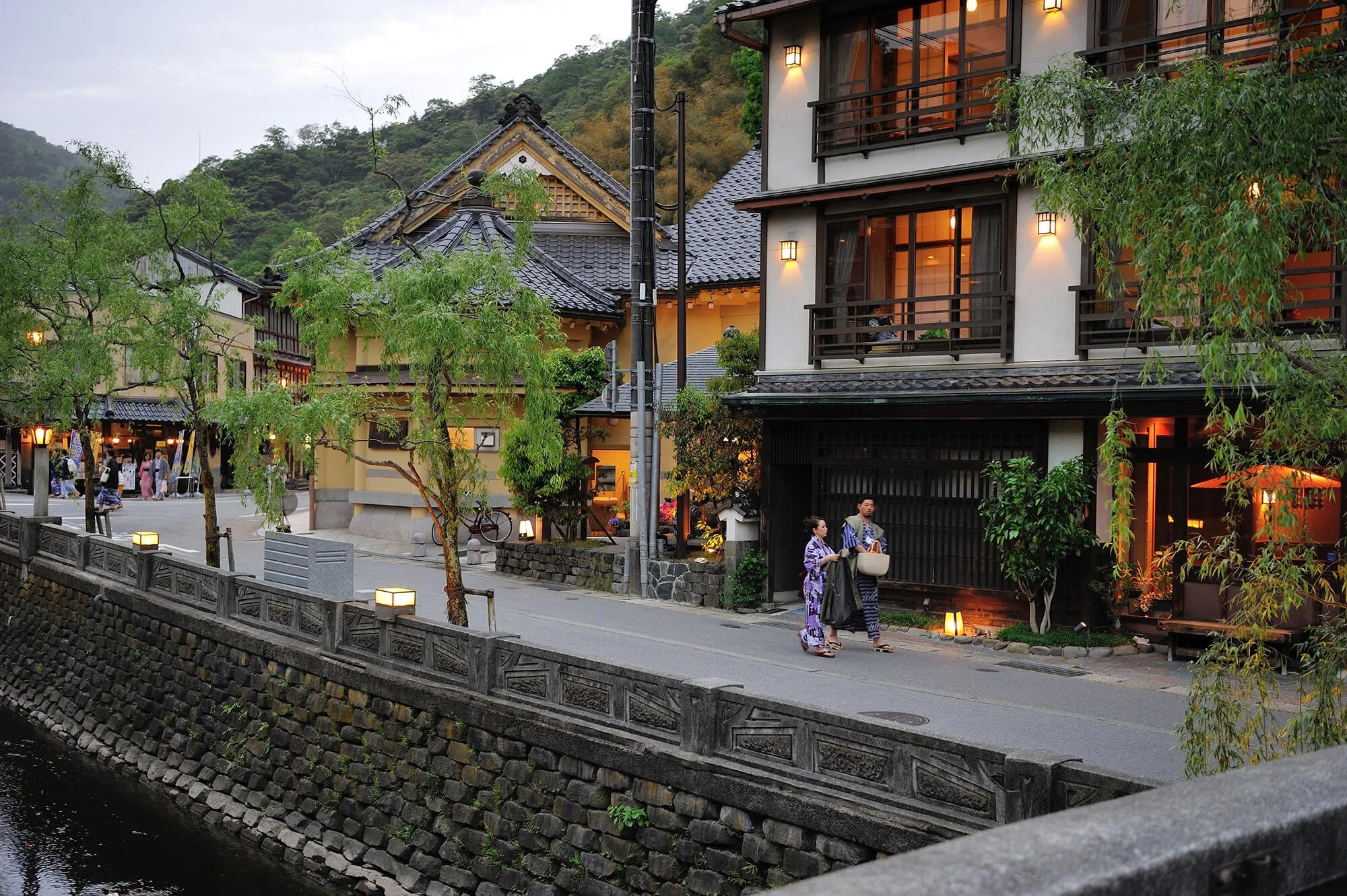
XX: Arrive Kinosaki Onsen and check into hotel and change into your robes and explore this incredibly unique location.
Accommodations: Koyado Enn
1 Sep: Explore Kinosaki Onsen
For your full day, you can mix deep relaxation with a little bit of exploration. Enjoy a quiet soak at a peaceful bath. Hop on the Kinosaki Ropeway up Mount Daishi for a sweeping panoramic view of the valley and the sea, making sure to stop halfway down to visit Onsen-ji, the ancient guardian temple of the town. Spend some time wandering the backstreets, snacking on matcha gelato or local pudding, and checking out the traditional straw craft shops. Round out your second evening with another incredible meal and a final nighttime stroll, hitting any of the public baths you missed, fully mastering the art of the slow-paced onsen crawl.
2 Sep: Transition to Kyoto
The direct limited express train from Kinosaki takes about 2.5 hours, typically arriving by early afternoon.
Afternoon (Check-In & Street Strolling): Drop your bags at your accommodation (TBD - recommend staying near Kyoto Station for easiest logistics and transport but can also consider downtown/Shijo-Kawaramachi area). Head straight to the Higashiyama District to explore the beautifully preserved historic streets of Sannenzaka and Ninenzaka. These sloping stone-paved paths are lined with traditional wooden machiya houses, tea shops, pottery boutiques, and local crafts.
Late Afternoon (Iconic Temple View): Walk up to Kiyomizu-dera before it closes (open until 6:00 pm). This massive Buddhist temple offers stunning panoramic views of Kyoto from its expansive wooden veranda, which was built entirely without the use of nails.
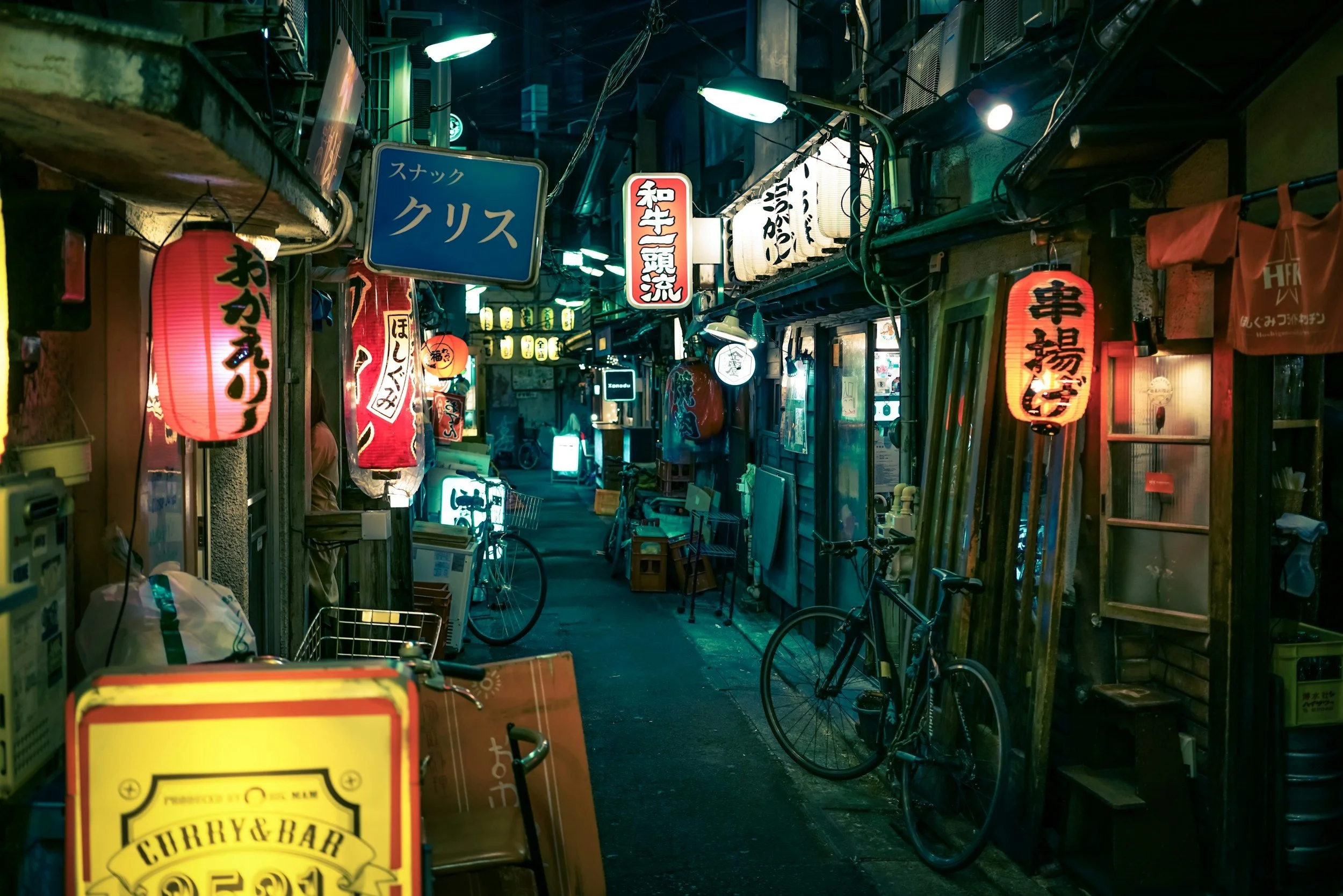
Evening (Izakaya & Lanterns): As the sun sets, wander across the river toward Pontocho Alley, a narrow, atmospheric corridor running parallel to the Kamogawa River. Lit beautifully by traditional lanterns, this alleyway is packed with intimate restaurants and izakayas. It’s an ideal spot to grab a counter seat for yakitori, seasonal small plates, and local sake. If you have a particular restaurant in mind, reservations are recommended.
3 Sep: Bamboo Groves & Central Markets
*An early morning start ensures you experience the best of Kyoto’s nature before the crowds arrive.
Morning (Nature & Shrines): Take the JR San-in line from Kyoto Station directly to Saga-Arashiyama Station to visit the Arashiyama Bamboo Forest (open 24 hours).
Nearby: Right at the edge of the forest sits Tenryu-ji Temple, known for its breathtaking 14th-century Zen garden that seamlessly blends into the surrounding mountains.
Mid-Day (The Kitchen of Kyoto): Head back to central Kyoto to dive into Nishiki Market. This narrow five-block shopping street is packed with over a hundred lively stalls. It is the perfect place to sample street food delicacies like octopus skewers, wagyu beef sliders, fresh sashimi, and matcha sweets.
Afternoon (Modern Shopping): Right next to the market is the Shijo-Kawaramachi intersection, the commercial heart of Kyoto. Here you can explore multi-story department stores (like Takashimaya) and the Teramachi covered shopping arcade for everything from high-end Japanese fashion to vintage clothing and local stationery.
Evening (Historic Geisha District): Cross the river into Gion to walk down Hanami-koji Street. The historic architecture feels like a step back in time, and you can find wonderful hidden izakayas tucked away in the side streets for dinner.
4 Sep: Torii Gates & Nara Side Trip (Optional)
*By combining Kyoto's most famous shrine with a quick afternoon train ride south, you can easily fit in a fantastic side trip to Nara.
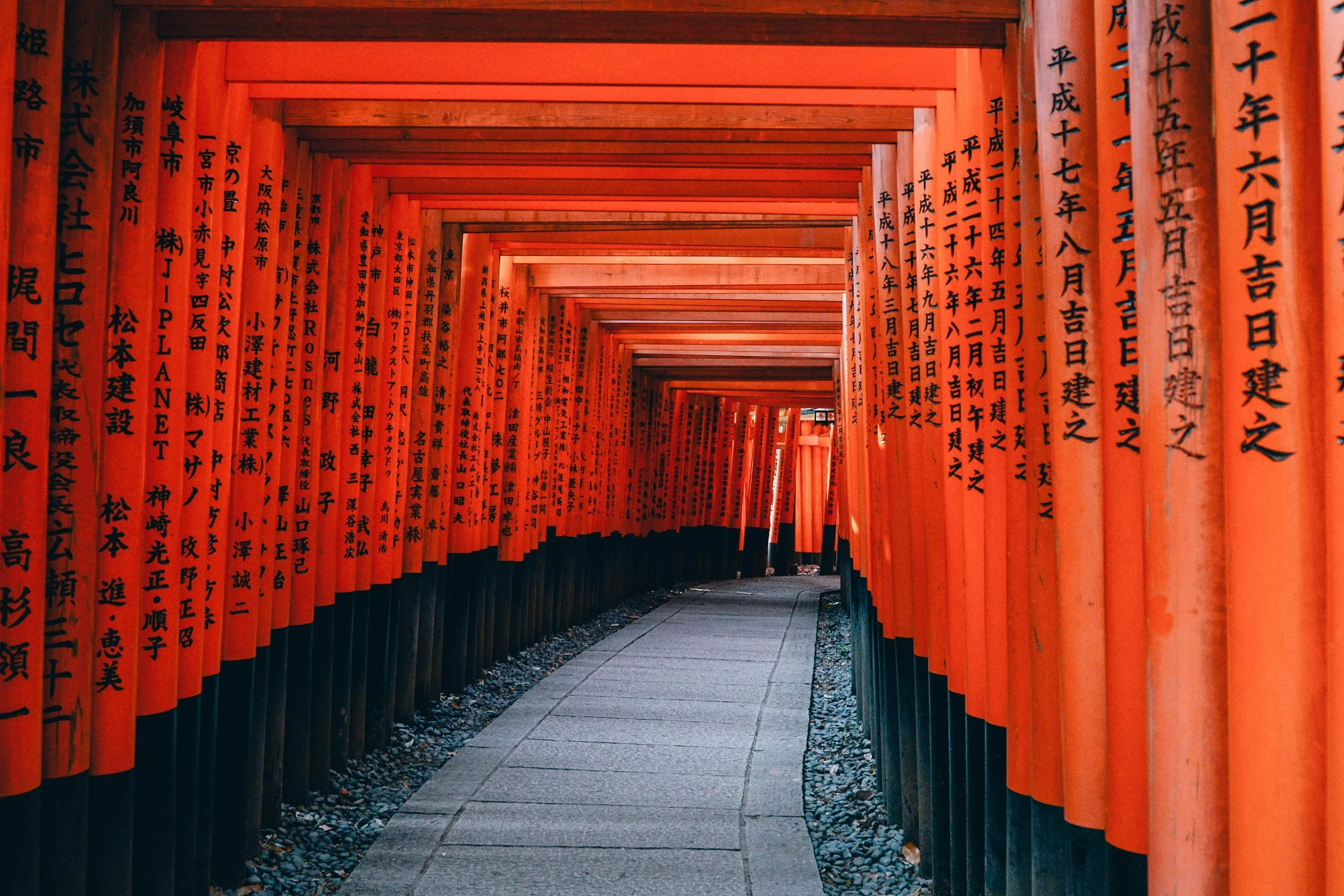
Early Morning (Thousands of Torii Gates): Catch the JR Nara line from Kyoto Station to Fushimi Inari Taisha. This sprawling mountainside Shinto shrine is world-famous for its paths framed by thousands of vibrant vermilion torii gates. Arriving early allows you a peaceful, meditative hike up the wooded mountain loops. Open 24/7. Best to arrive before 8:00 am to avoid the crowds. The amulet stations open at 9:00 am and most other vendors/food stalls open by 10:00 am.
Afternoon (OptionaSide Trip to Nara): Hop back on the JR Nara Line and ride it straight down to JR Nara Station (approx. 45 minutes). Walk up toward the expansive Nara Park. The park is famous for its hundreds of freely roaming, bowed-greeting sika deer. Don't miss Todai-ji Temple, a colossal wooden structure housing Japan's largest bronze Buddha statue (Daibutsu).
Evening: Return to Kyoto for a relaxed final dinner. The area around Kyoto Station offers fantastic underground dining plazas and casual izakayas specializing in Kyoto-style obanzai (traditional small dishes).
5 Sep: Final Souvenirs & Shinkansen to Tokyo
Spend your final hours exploring the bustling underground malls and specialty shops connected directly to Kyoto Station (such as Porta and the Cube). This is the absolute best hub for picking up premium Kyoto green teas (like Uji matcha), traditional sweets (yatsuhashi), local sake, and beautiful textile crafts to bring with you to Tokyo. Head to the station to catch the Shinkansen, which takes about 2 hours and 20 minutes to reach Tokyo.
5 - 10 Sep: Tokyo
10 - 14 Sep: Onsen Ryokan Yuen Sapporo
14 Sep: Return Home
Itinerary